


- 871 Views
- 4 Min Read
- (0) Comment
The Netherlands, a compact yet profoundly influential nation in north-western Europe, is celebrated for its masterfully engineered canals, emblematic windmills, and expansive tulip fields that epitomize Dutch ingenuity and aesthetic sensibilities. With its rich historical narrative, advanced socio-political infrastructure, and a plethora of cultural and natural attractions, the Netherlands emerges as a destination that appeals not only to casual visitors but also to connoisseurs of history, art, and urban planning. This comprehensive guide delves into the multifaceted aspects of the Netherlands, offering a nuanced perspective for an enriched travel experience.
Fundamental Insights into the Netherlands
- Capital: Amsterdam
- Official Language: Dutch
- Currency: Euro (€)
- Optimal Visiting Period: April to October
- Distinguishing Features: Windmills, tulip cultivation, a pervasive cycling culture, historic cheese markets, and an unparalleled art legacy
Premier Destinations: A Detailed Exposition
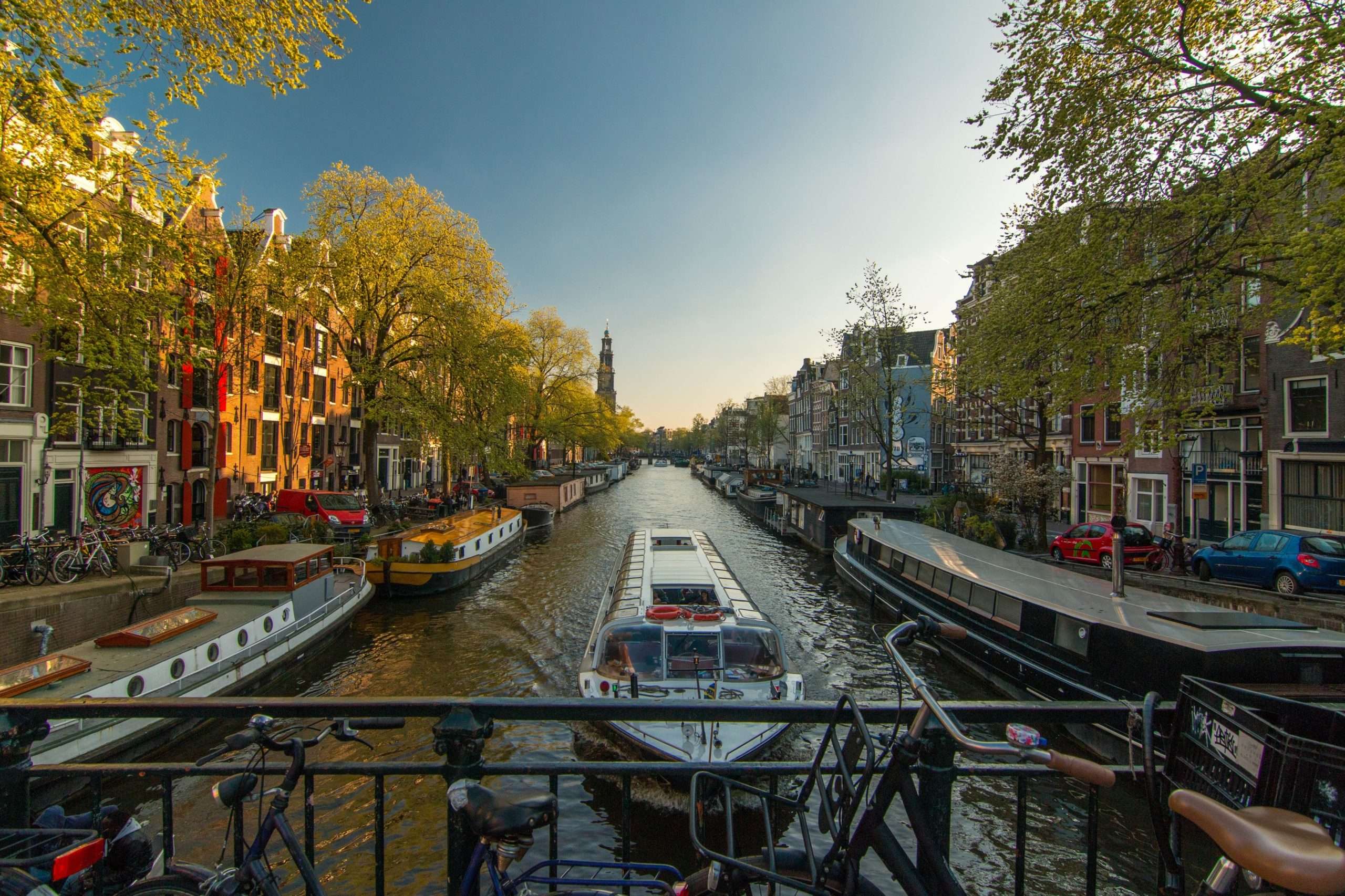
Amsterdam: The Nexus of Culture and Commerce
The capital city serves as an exemplar of urban symbiosis, where historical preservation coexists with contemporary dynamism.
- Essential Landmarks:
- Anne Frank House: A poignant repository of Holocaust history.
- Van Gogh Museum: An unparalleled collection showcasing the evolution of an iconic artist.
- Rijksmuseum: A comprehensive archive of Dutch Golden Age artistry.
- Jordaan District: A microcosm of Amsterdam’s eclectic cultural ethos, featuring boutique establishments and quaint cafes.
- Experiential Highlights:
- Cycling along the city’s extensive bike paths for an immersive local experience.
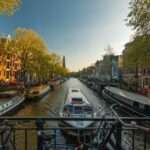
- Navigating the intricate canal system through a boat tour for a unique vantage point of the cityscape.

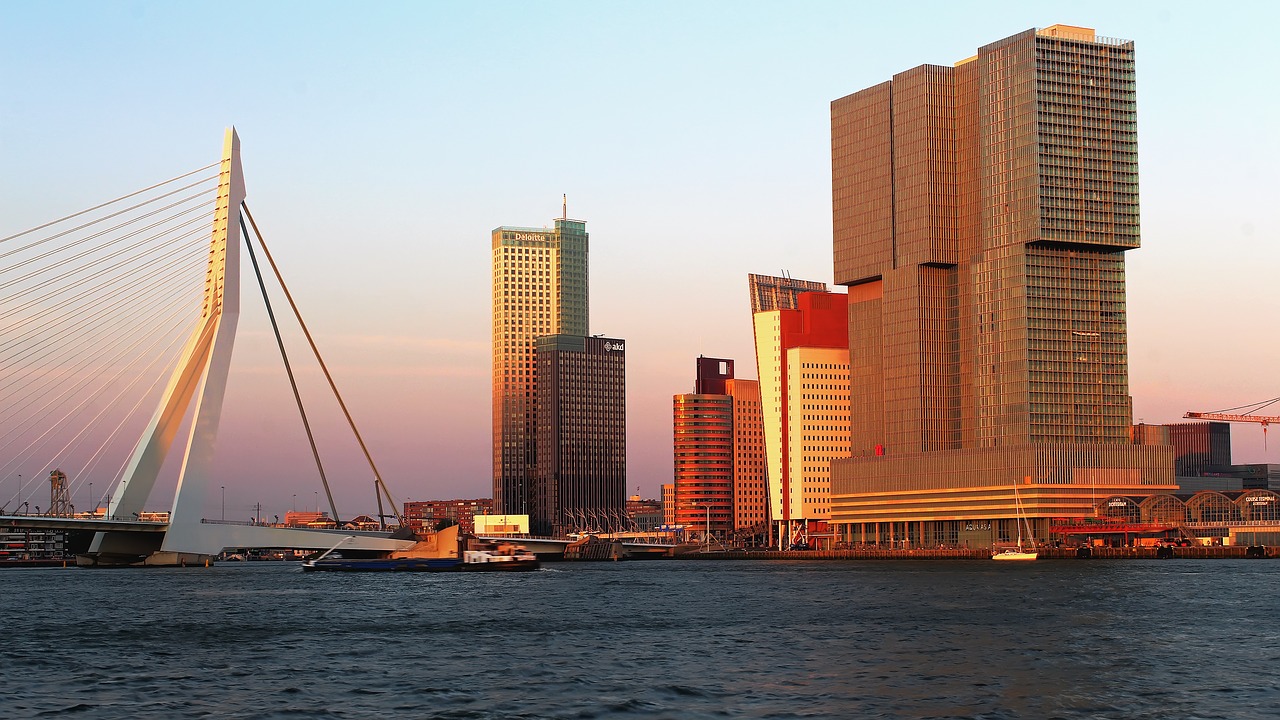
Rotterdam: A Testament to Modernist Ambitions
Rotterdam distinguishes itself through its avant-garde architectural landmarks and innovative urban planning.
- Notable Sites:
- Erasmus Bridge: A feat of engineering that symbolizes the city’s resilience and creativity.
- Markthal: A culinary and architectural marvel that merges gastronomy with visual arts.
- Cube Houses: An exploration of spatial experimentation and design ingenuity.
- Key Activities:
- Ascending the Euromast for a panoramic appreciation of the city’s skyline.
- Engaging with the thriving contemporary art scene.
The Hague (Den Haag): The Seat of Diplomacy and Heritage
As the epicentre of Dutch governance and international justice, The Hague offers a distinctive blend of political gravitas and cultural refinement.
- Principal Attractions:
- Mauritshuis Museum: Custodian of seminal works, including Vermeer’s Girl with a Pearl Earring.
- Peace Palace: An enduring symbol of international diplomacy.
- Scheveningen Beach: A juxtaposition of urban sophistication and natural tranquillity.
- Cultural Interactions:
- Savouring gourmet seafood along the North Sea coastline.

Utrecht: A Convergence of History and Academic Vibrancy
This storied city, home to one of Europe’s oldest universities, seamlessly integrates medieval heritage with contemporary life.
- Key Features:
- Dom Tower: The tallest church tower in the Netherlands, offering panoramic views.
- Canal Networks with Wharf Cellars: Unique urban architecture repurposed into cafes and artisan shops.
- Railway Museum: An institution chronicling the evolution of Dutch rail transport.

Keukenhof and Lisse: The Pinnacle of Floricultural Excellence
- Signature Attraction: Keukenhof, heralded as the “Garden of Europe,” is a global paragon of horticultural artistry.
- Visitation Timing: Mid-March to mid-May aligns with the zenith of the tulip blooming season.

Cultural Exegesis
Gastronomic Traditions
- Culinary Staples:
- Stroopwafels: A confectionary delight blending textures and flavours.
- Bitterballen: A quintessential Dutch appetizer offering a savoury depth.
- Gouda and Edam Cheeses: Products of an age-old tradition that exemplifies Dutch craftsmanship.
- Raw Herring: Consumed with onions and pickles, reflecting a distinctive local palate.
- Iconic Festivals and Public Celebrations
- King’s Day (Koningsdag): A nationwide homage to the monarchy, marked by vibrant street festivities.
- Tulip Festival: A tribute to the Netherlands’ iconic contribution to global horticulture.
Navigational and Practical Insights
- Transportation Infrastructure
- Public Transit: A highly efficient and punctual network encompassing trains, trams, and buses.
- Cycling: The preeminent mode of transport, underscoring the nation’s environmental ethos.
- Travel Cards: The OV-chipkaart streamlines access across all modes of public transport.
- Accommodation Spectrum
- From luxury establishments in urban centres to boutique lodgings along canal belts, the Netherlands accommodates a diverse demographic of travellers.
- Linguistic Accessibility
- While Dutch is the lingua franca, English is ubiquitously spoken, particularly in metropolitan areas and tourist hubs.
- Sociocultural Etiquette
- Pedestrian vigilance is paramount in deference to cyclists’ precedence.
- Tipping practices are discretionary, with modest gratuities generally appreciated.
Concluding Reflections
The Netherlands exemplifies a harmonious blend of historical continuity and modern innovation. Whether traversing tulip-laden landscapes, engaging with world-renowned museums, or partaking in the rhythm of Dutch urban life, the country offers an intellectually and aesthetically enriching experience. Prepare to embark on a journey that transcends mere tourism, engaging deeply with the essence of Dutch culture and geography.


Leave a comment: